Understanding Crane Inspection Requirements in Australia
Overview of Australian Standards for Crane Safety and Compliance
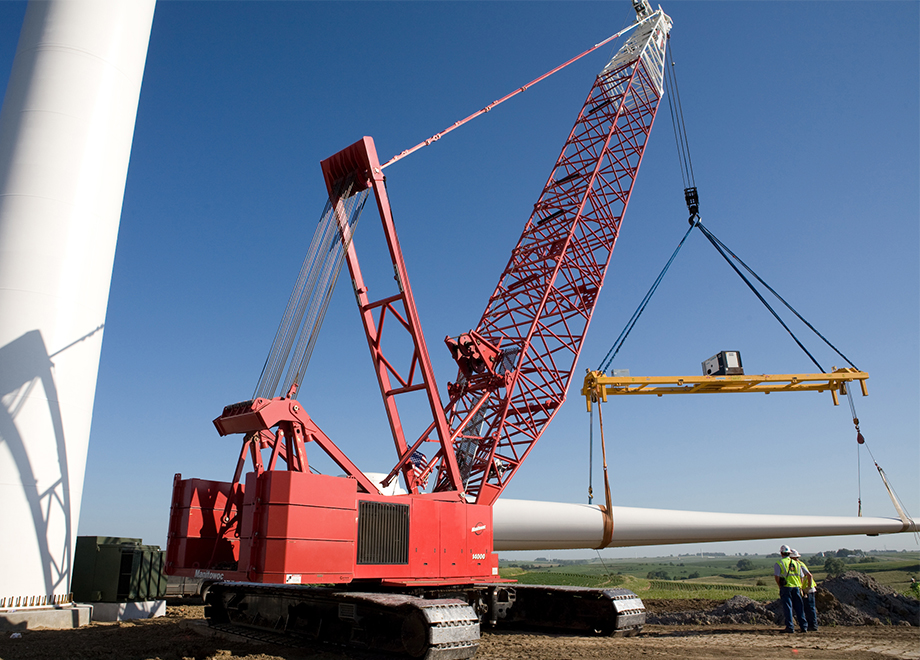
Crane inspection in Australia follows strict standards such as AS 2550 and AS 1418, which outline the requirements for maintaining safe lifting equipment. These standards help ensure cranes are structurally sound, mechanically reliable, and compliant with national safety expectations.
Routine inspections allow businesses to identify issues before they evolve into serious safety hazards, supporting both regulatory compliance and long-term equipment performance.
Why Routine Inspection Is Critical for High-Risk Work Environments
Cranes operate in environments where heavy loads and repetitive lifting place constant stress on components. Routine inspection is essential to detect early signs of wear that may not be visible during daily operation.
Small issues like worn ropes or malfunctioning switches can quickly lead to unsafe conditions if they’re overlooked. Frequent inspection reduces downtime, prevents unexpected failures, and ensures lifting operations remain controlled and predictable.
How Inspection Frequency Varies Across Different Crane Types
Different crane types require different inspection intervals because they face different conditions. Mobile cranes experience continuous travel and movement, while overhead cranes often work indoors under repetitive cycles.
Tower cranes face wind exposure and long-term structural loads. Australian standards guide when routine, periodic, or major inspections are required, helping businesses maintain safe equipment regardless of the crane’s working environment.
Structural Issues Commonly Identified During Crane Inspection
Cracks, Corrosion, and Metal Fatigue in Crane Booms and Frames
Cracks, corrosion, and metal fatigue are among the most common structural issues found during crane inspection in Australia. Repeated lifting cycles and environmental exposure gradually weaken steel components. Inspectors look for early signs of cracking or rust that may affect a crane’s ability to support weight safely, especially in coastal or industrial areas where corrosion develops more rapidly.
Deformation Caused by Overloading or Improper Use
Overloading or poor lifting practices can deform booms, frames, and supporting structures. Even a single overload event may create permanent damage. Inspectors examine the crane’s alignment and shape to identify bending or distortion that signals excessive stress. Detecting deformation early helps prevent further structural weakness and reduces the likelihood of crane instability.
Wear and Damage to Welds, Joints, and Structural Connections
Welds and joints absorb significant pressure during each lift. Over time, they may loosen, crack, or show surface separation. Since these connection points are essential to overall structural integrity, inspectors assess weld quality and the condition of bolts, pins, and securing plates. Identifying wear early helps prevent more serious failures later.
Mechanical Problems Found During Australian Crane Inspections
Faulty Wire Ropes and Chains Resulting from Overuse or Poor Lubrication
Wire ropes and chains endure constant tension and friction, making them prone to fraying, corrosion, stretching, and kinking. Poor lubrication accelerates wear and increases the chance of rope failure. During inspections, assessors measure wear levels and check for broken strands or uneven tension. Replacing ropes early prevents sudden breakages that could lead to dangerous load drops.
Gearbox, Brake, and Hydraulic System Failures
Mechanical systems like hydraulic pumps, brakes, and gearboxes often show wear when maintenance is inconsistent. Leaking hydraulics, slow response times, slipping gears, or weakened brake performance all signal mechanical deterioration. Inspectors test these systems to ensure they provide consistent power and stability during lifting operations, reducing the risk of operational interruptions.
Misaligned Components Affecting Operational Accuracy
Misalignment can occur when cranes experience vibration, heavy loads, or uneven surfaces. Misaligned sheaves, drums, or slewing components can cause ropes to spool incorrectly or increase friction. Inspectors look for uneven wear patterns and unusual movement to identify alignment concerns that may reduce lifting accuracy and equipment lifespan.
Electrical and Control System Issues Identified by Inspectors
Malfunctioning Limit Switches and Safety Interlocks
Limit switches and interlocks prevent cranes from exceeding safe travel limits. When these fail, the crane may continue moving beyond its designed boundaries, creating unsafe conditions. Inspectors test each safety switch to confirm it activates correctly and responds without delay, ensuring operators remain protected during use.
Worn or Damaged Electrical Wiring and Connectors
Cranes exposed to vibration, moisture, or heat often develop electrical issues. Frayed wiring, corroded connectors, and worn insulation can interrupt communication between controls and mechanical systems. Inspectors check the full electrical circuit for weak points that could cause erratic behaviour or signal loss during operation.
Inconsistent Sensor Readings and Control Panel Failures
Modern cranes rely heavily on sensors to monitor load weight, boom angle, and operational limits. Faulty sensors or inaccurate displays can mislead operators and increase the risk of overloads. Inspectors test calibration and control-panel responsiveness to ensure the crane provides reliable data throughout the lift.
Load Handling and Stability Problems Highlighted in Inspections
Issues with Load Hooks, Sheaves, and Rigging Attachments
Inspectors frequently find wear on hooks, sheaves, and rigging components. Hooks may show deformation or latch failure, while sheaves may have grooves that damage wire ropes. Since these parts directly interact with the load, even minor wear can compromise lifting safety. Regular inspection ensures these components remain dependable.
Counterweight Imbalances and Stability Concerns
Counterweights are essential for preventing crane tipping. Inspectors check that counterweights are properly installed, secured, and free from damage. Any imbalance can shift the crane’s centre of gravity, affecting stability. Identifying counterweight issues early helps prevent overturning incidents during lifting operations.
Load Chart Misuse or Incorrect Capacity Settings
Incorrect load chart use remains a common issue during crane inspection in Australia. Missing charts, outdated information, or misinterpreted capacity limits can lead to unsafe lifting practices. Inspectors ensure the correct load chart accompanies the crane and that operators understand how to apply it safely.
Environmental and Operational Factors Affecting Crane Performance
Weather-Related Damage Seen Across Australian Worksites
Harsh Australian weather conditions can accelerate wear. Sun exposure weakens materials, while rain, wind, and humidity contribute to corrosion and structural stress. Cranes exposed to these conditions often show earlier signs of deterioration. Inspectors account for local climate impacts and advise on preventative care.
Dust, Heat, and Corrosive Environments Impacting Component Lifespan
Industrial and mining sites often contain dust, chemicals, and abrasive particles that shorten component life. Dust penetrates moving parts, increasing wear, while corrosive environments attack metal surfaces. Inspection helps identify the effects of these conditions early so businesses can adjust maintenance schedules accordingly.
Human Error and Improper Operation Contributing to Inspection Failures
Operator error is a frequent contributor to inspection problems. Incorrect rigging, ignoring warning signs, or exceeding load limits can cause unnecessary strain on crane components. Inspectors often trace damage back to operation habits, highlighting the importance of thorough operator training.
Maintenance Gaps Commonly Revealed During Crane Inspections
Insufficient Lubrication Schedules and Poor Maintenance Practices
Dry bearings, unlubricated sheaves, and contaminated lubrication points are common findings during inspection. These issues accelerate wear and increase the likelihood of mechanical failure. A consistent lubrication schedule is one of the simplest ways to improve crane performance and reduce long-term damage.
Missing or Outdated Service Records
Good documentation is essential for tracking component condition and meeting compliance requirements. Inspectors often find missing or outdated records, making it difficult to confirm whether previous maintenance has been completed correctly. Accurate records help businesses plan future servicing more effectively.
Deferred Repairs Leading to Progressive Damage
When small repairs are delayed, they often lead to more complex and costly issues. Inspectors frequently note signs of long-term deterioration that could have been prevented with earlier intervention. Addressing minor issues promptly helps extend the crane’s service life and supports compliance obligations.
What Businesses Can Do to Reduce Issues Found in Future Inspections
Implementing Preventative Maintenance Programmes
A strong preventative maintenance programme helps avoid many issues identified during inspections. Scheduled component checks, lubrication routines, and early part replacement keep cranes operating safely. This proactive approach reduces downtime and creates more predictable maintenance costs.
Improving Operator Training and Safety Awareness
Training operators to recognise early warning signs and use cranes correctly significantly reduces wear and damage. Skilled operators maintain safer lifting environments and contribute to better inspection outcomes, making training an essential part of overall crane management.
Engaging Certified Inspectors for Regular Performance Assessments
Working with certified crane inspectors ensures high-quality assessments and reliable compliance reporting. Regular inspections performed by qualified professionals help businesses stay ahead of emerging issues and maintain a strong safety culture onsite.